From the Desk of Chef Steven Devereaux Greene
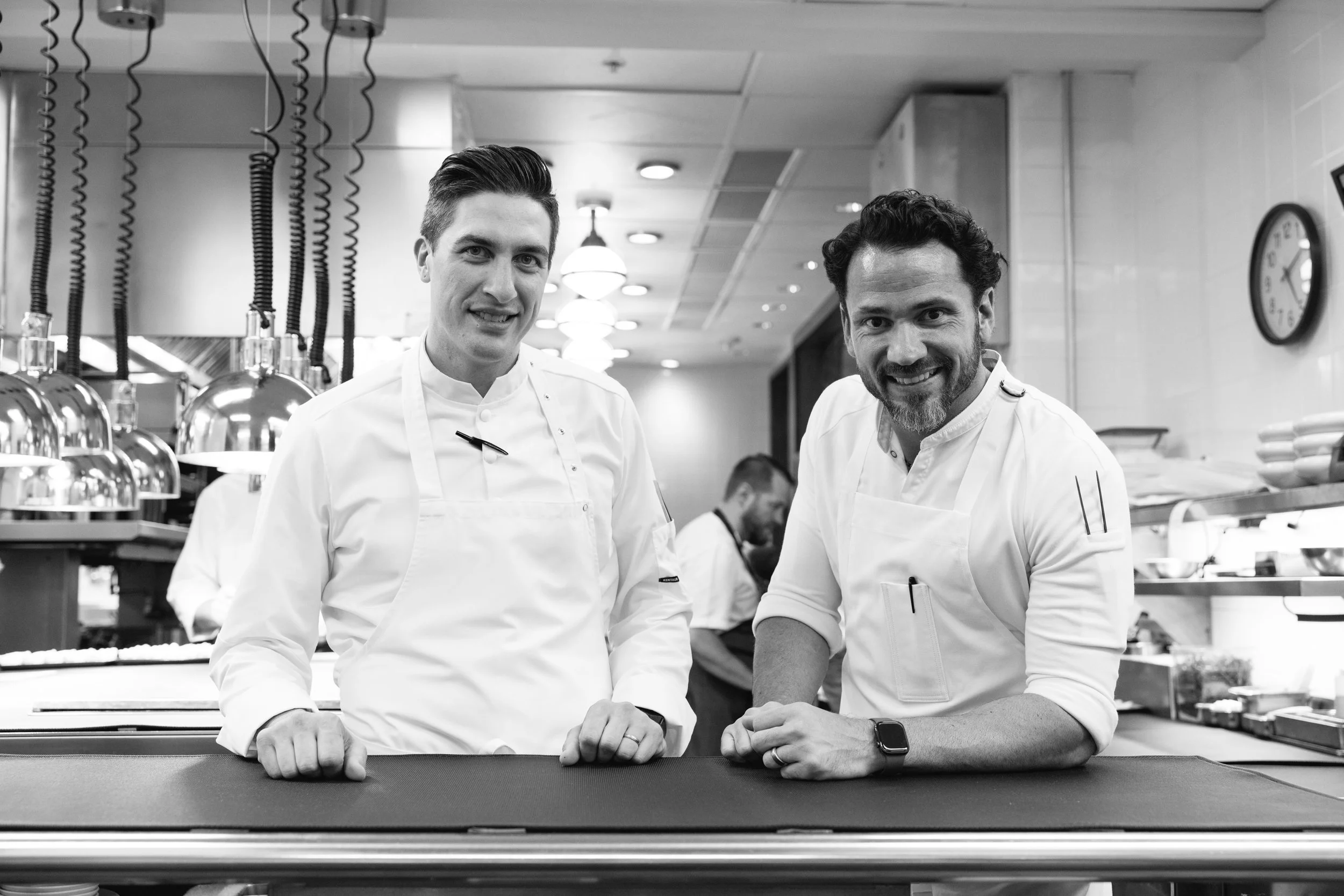
When I first saw that Jacqueline and Jason left Harbor House to start Enclos, I knew it would be something special. I watched the restaurant from its inception, following the food and seeing Chef Brian Limoges’ flavors and use of ingredients, which felt very similar to my own philosophy around food.
We also had a natural connection through our Restaurant Manager, Hollin Boy, who had previously been their Assistant Restaurant Manager. Bringing Brian to Herons felt like a no-brainer.
What I discovered once he was here was that our similarities extended beyond the kitchen. We realized we both have a love for music, and specifically the guitar. When I found out Brian played, we had some great conversations about it, and I wanted to do something to surprise him. I let him borrow my acoustic guitar for the few days he was here so that when he finished in the kitchen each night, he could go relax, unwind and have a creative outlet. That is why I play guitar, too. It is my outlet and my meditation after a long day’s work.
One Oak Meets Stone Edge
Having One Oak Farm has completely changed the way I think about creating food. It has influenced my cooking 100 percent and changed my entire approach. I used to begin a dish with protein. Now, I start with the One Oak Farm ingredient and build from there. It has changed my entire philosophy of cooking.
I recognized a similar relationship between Brian and Stone Edge Farm. The two farms share similar philosophies around growing, and some of the ingredients they grow there are things we grow here as well. Brian is inspired by what is growing at Stone Edge Farm and makes sure those ingredients shine on his menu, just as we do with One Oak.
That shared philosophy became the foundation for A Tale of Two Farms.
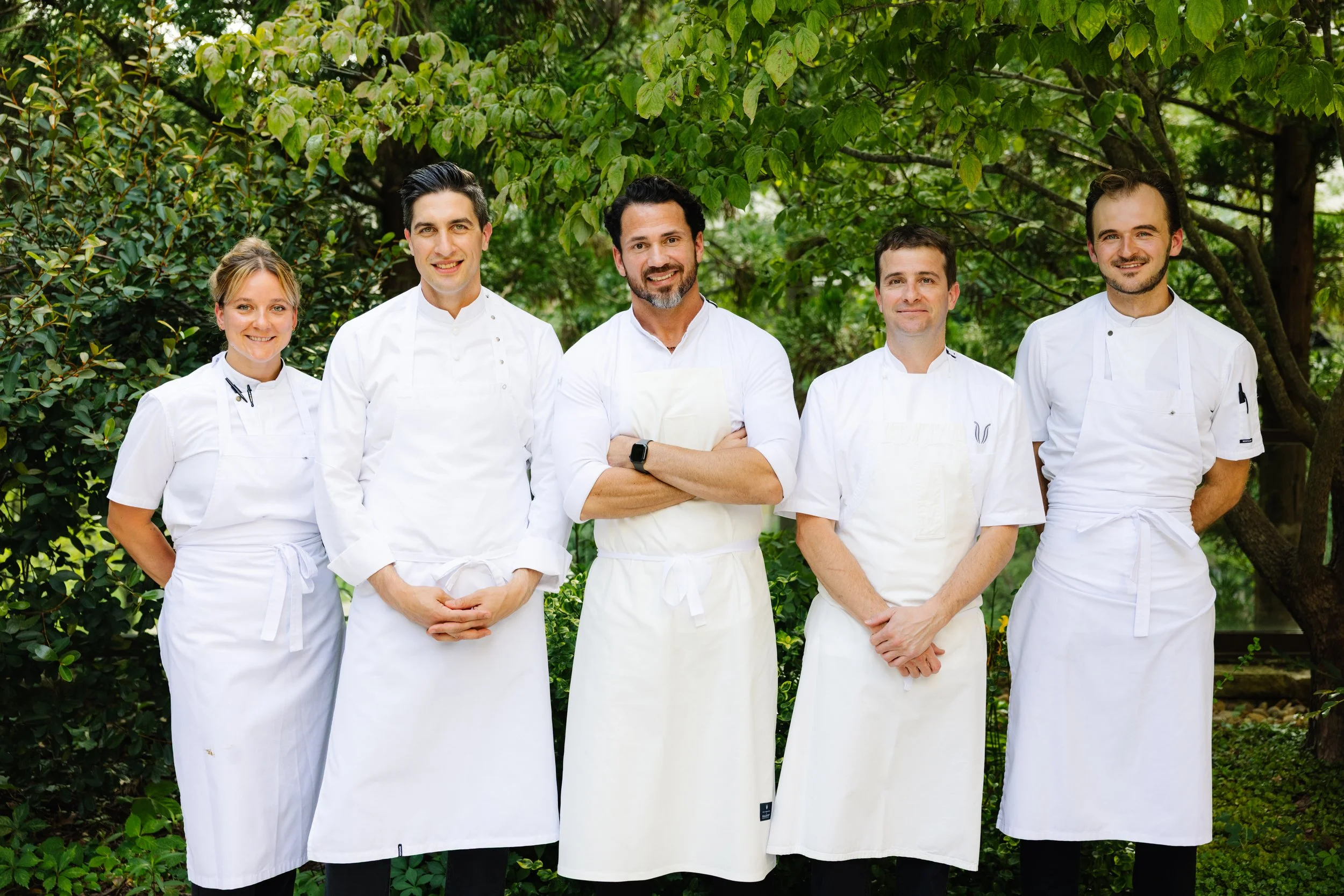
Cooking with Chef Brian Limoges
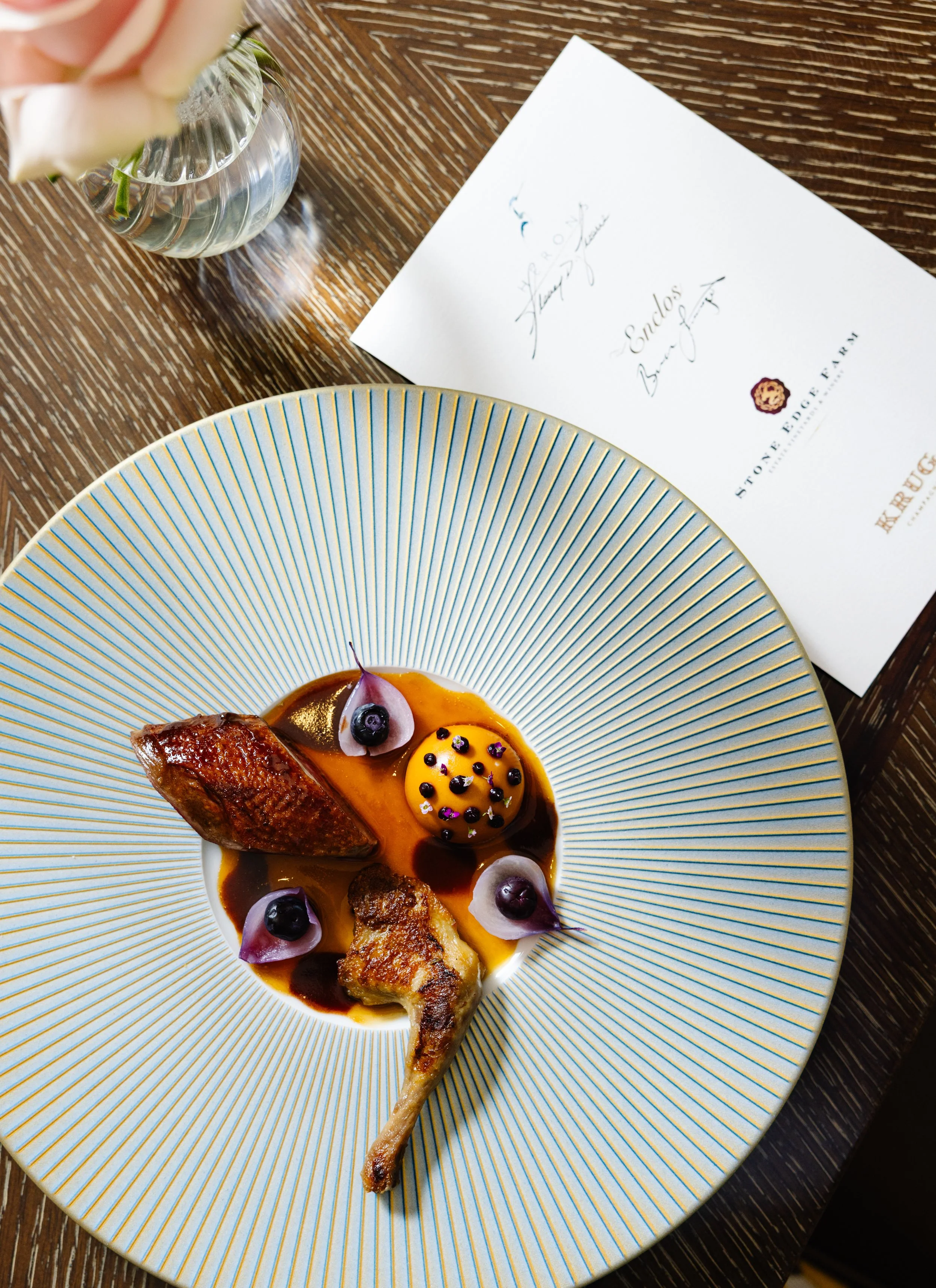
When we started creating the menu, I let Brian choose the courses that inspired him, and then I filled in the blanks with what I thought would flow well. He had a baseline of ingredients in mind, but then I sent him what was currently growing at One Oak Farm and he completely morphed his menu. The farm shaped the menu according to what was available and created a real sense of place.
We also share a strong affinity for Japanese flavors, so a lot of that influence was present throughout the dishes.
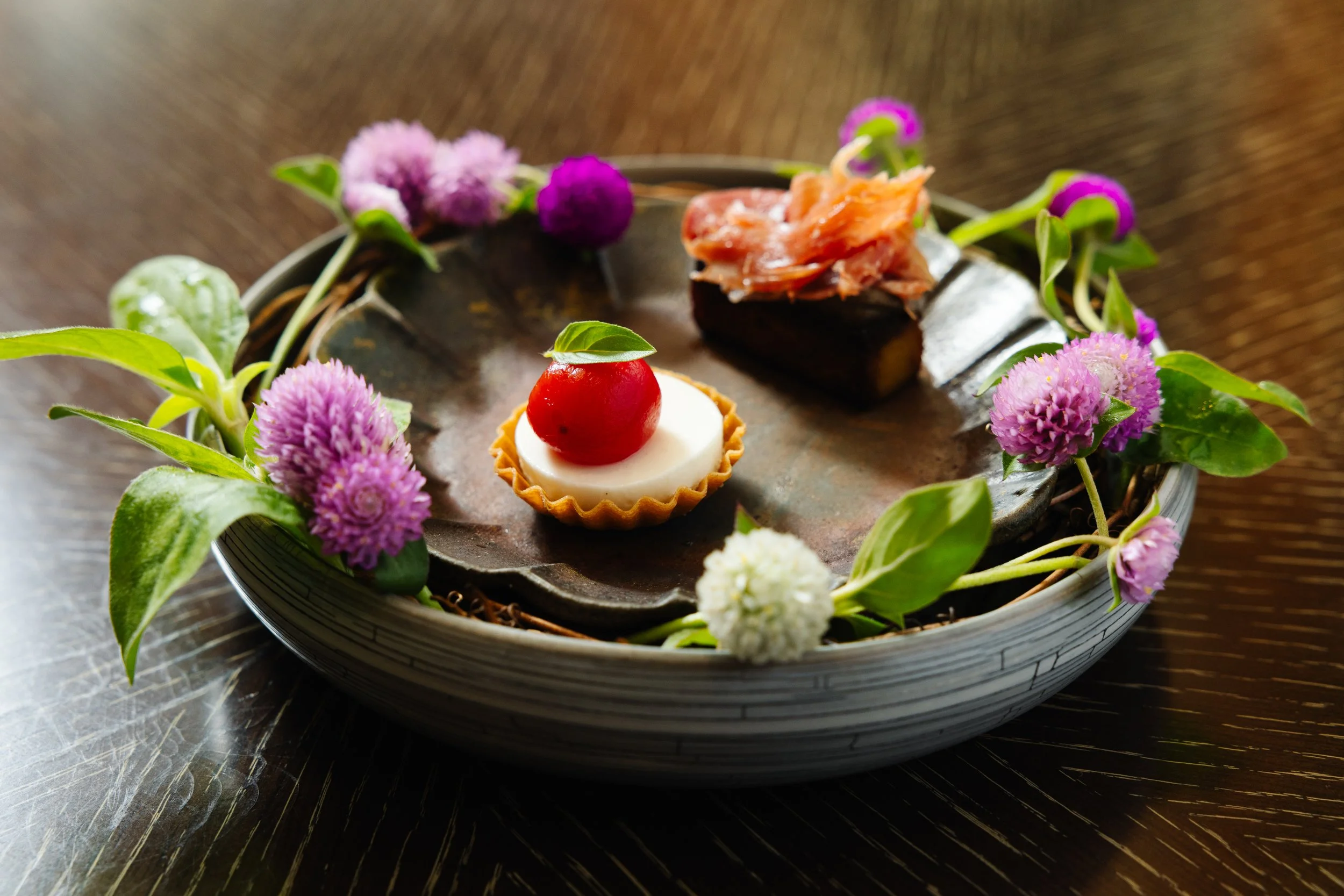
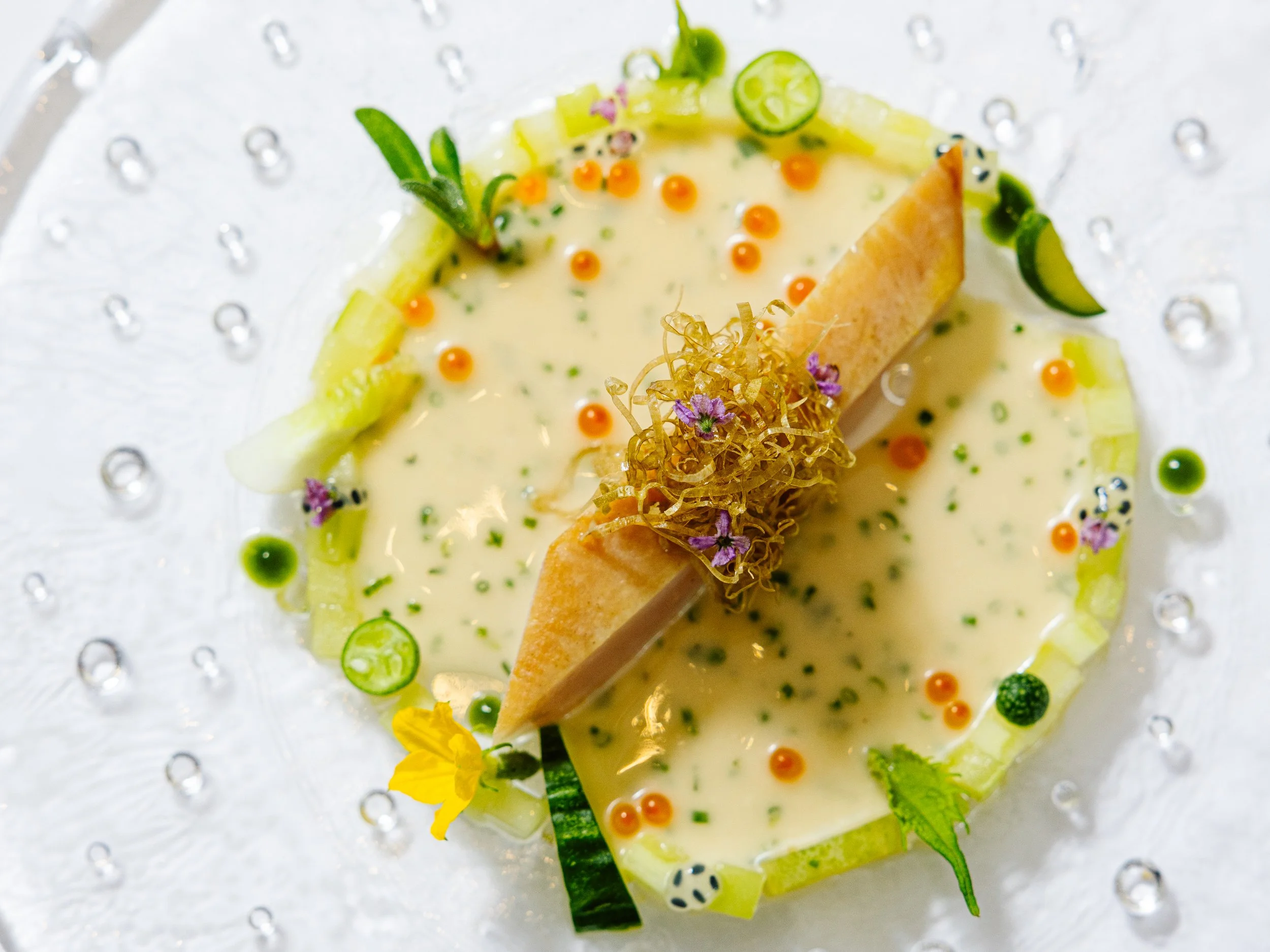
His opening course, with tomatoes, vegetables and gooseberries, was a dish where I immediately understood his approach. I loved the natural use of the ingredients and the fact that they did not need to be overly manipulated. Sometimes, you simply put the ingredients from the farm onto the plate and let the vegetables and fruits speak for themselves.
There are, of course, differences in the places we come from. I am from the South, and Brian is from New England. Some of those influences are more pronounced than others. I might play with Southern food, while he brings elements of New England cuisine together with California farm ingredients. But we meet in our love of flavor and the aesthetics and influence of Japan.
Building the Menu
One of my favorite parts of the collaboration happened after Brian arrived at The Umstead.
He went out to One Oak Farm the day before the dinner, and what he saw growing there led him to change several elements of his dishes the day of the event. He used an okra flower on one of his dishes simply because he thought the flowers were beautiful and tasted good.
I thought that was really cool. It was immediate. It was relevant. And it was completely in season at that moment.
That is what having a farm can give a chef. The menu does not have to exist as something completely fixed. You can walk through the fields, see what is beautiful that day and allow it to become part of the experience.
Beyond the Plate
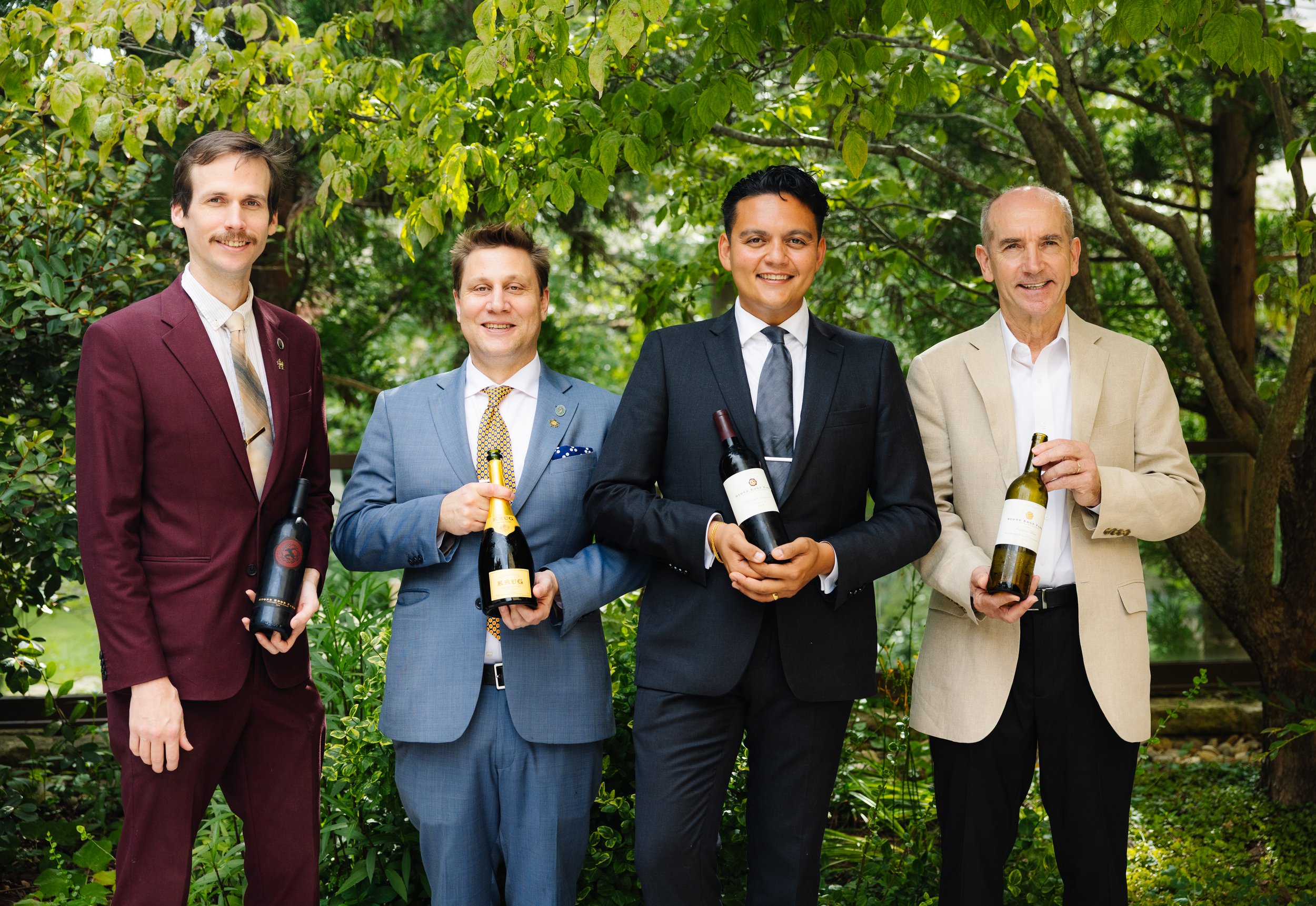
Wine was another important connection throughout the dinner, with Wine Director Simon Kaufmann and Philippe Thibault bringing another perspective to the experience.
I think wine is a bridge. It can take you to a whole different level when you are enjoying a dish and add nuances that would be difficult to create through the food alone. Acidity. Texture. Brightness. It can be cleansing. And that relationship can go both ways, from the wine to the dish and from the dish back to the wine.
When the food and wine are considered together, each has the ability to reveal something different in the other.
What We Bring Home
Working alongside brian also reinforced for me what sits behind the recognition enclos has received.He has earned that recognition through hard work, character and professionalism. He did not receive those awards by chance. He earned them by working in some of the best restaurants in the world and building a strong foundation in technique and flavor.
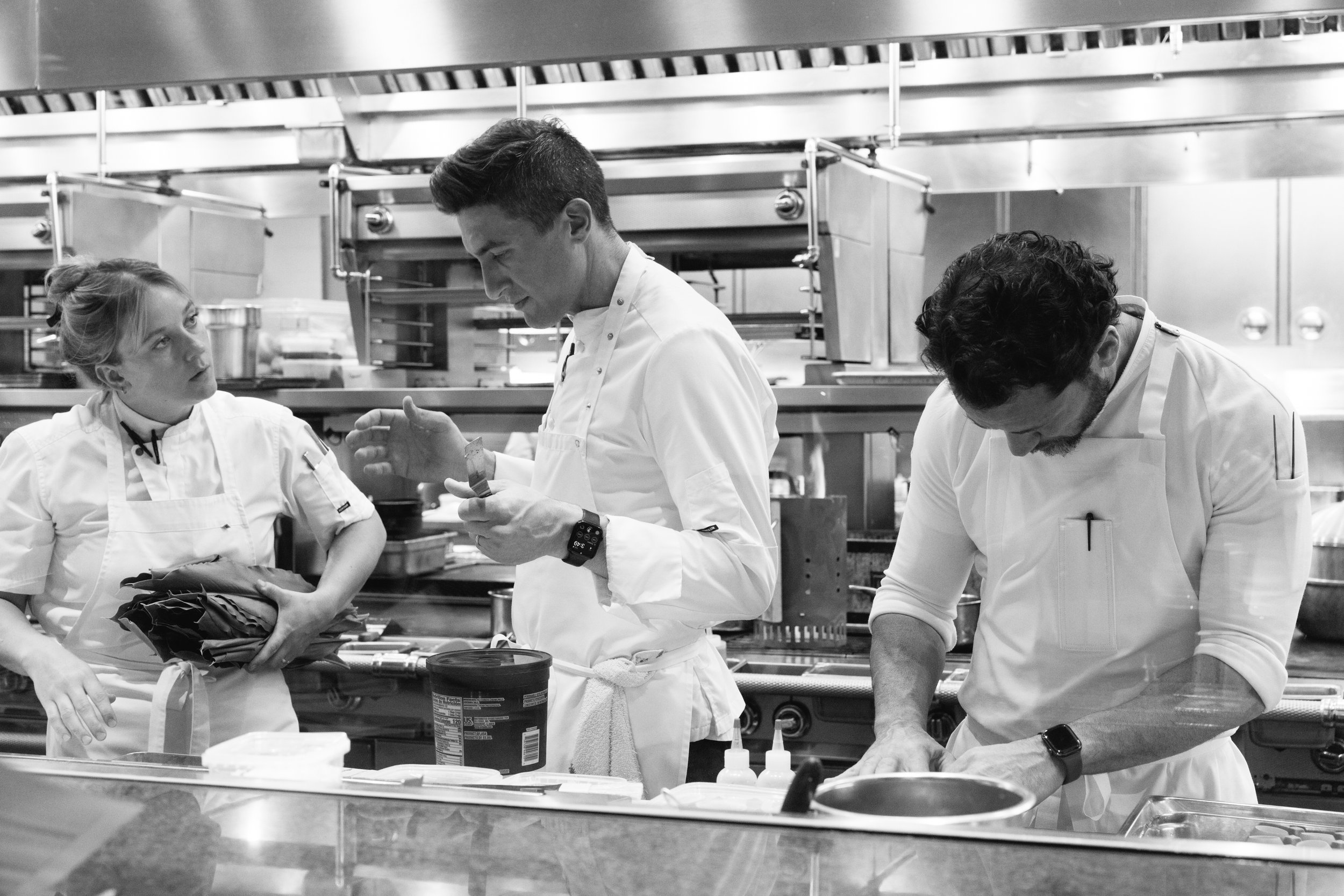
Getting to work beside someone allows you to see those qualities in a different way. Beyond the finished dishes, you see how they move through a kitchen, how they respond to ingredients and how they approach the people around them.
That is part of what makes collaborations like this valuable. You learn from one another.
Back to the Farm
The dinner may have lasted one evening, but the ideas behind it continue.
One Oak Farm is already moving toward another season. Some ingredients are finishing their time in the fields while others are just beginning. Farmer Adam and our culinary team will continue the conversations that happen throughout the year about what to grow, what is ready and what might eventually find its way onto a plate at Herons.
For one evening, two restaurants and two farms from opposite sides of the country met here in North Carolina. What connected them was something remarkably simple: a respect for what is growing and a willingness to let those ingredients lead.
Cooking from a farm has changed everything about the way I approach food. Instead of asking what I want to cook and then finding the ingredients, I can begin by looking at what the land has given us.
And then we cook from there.